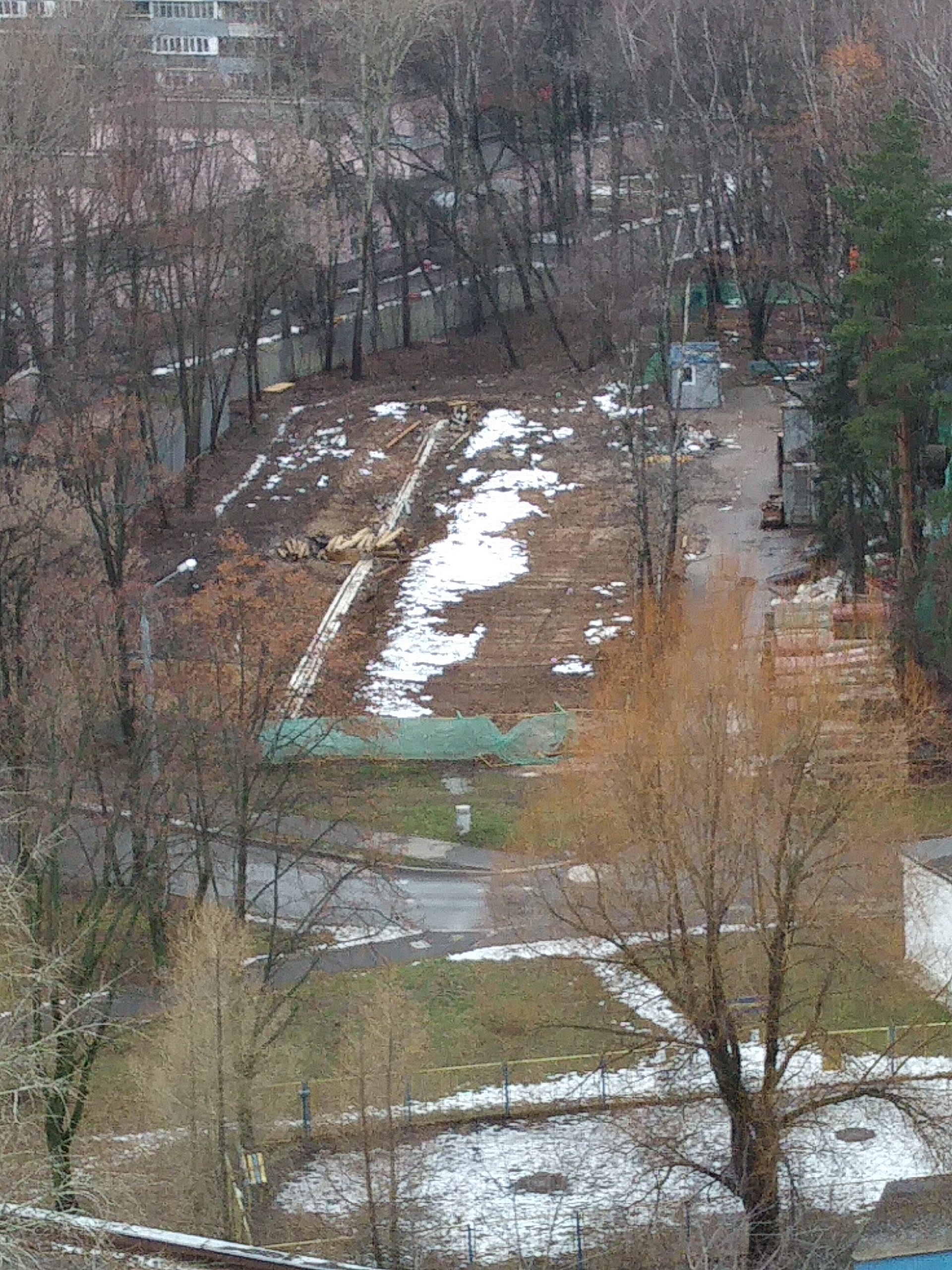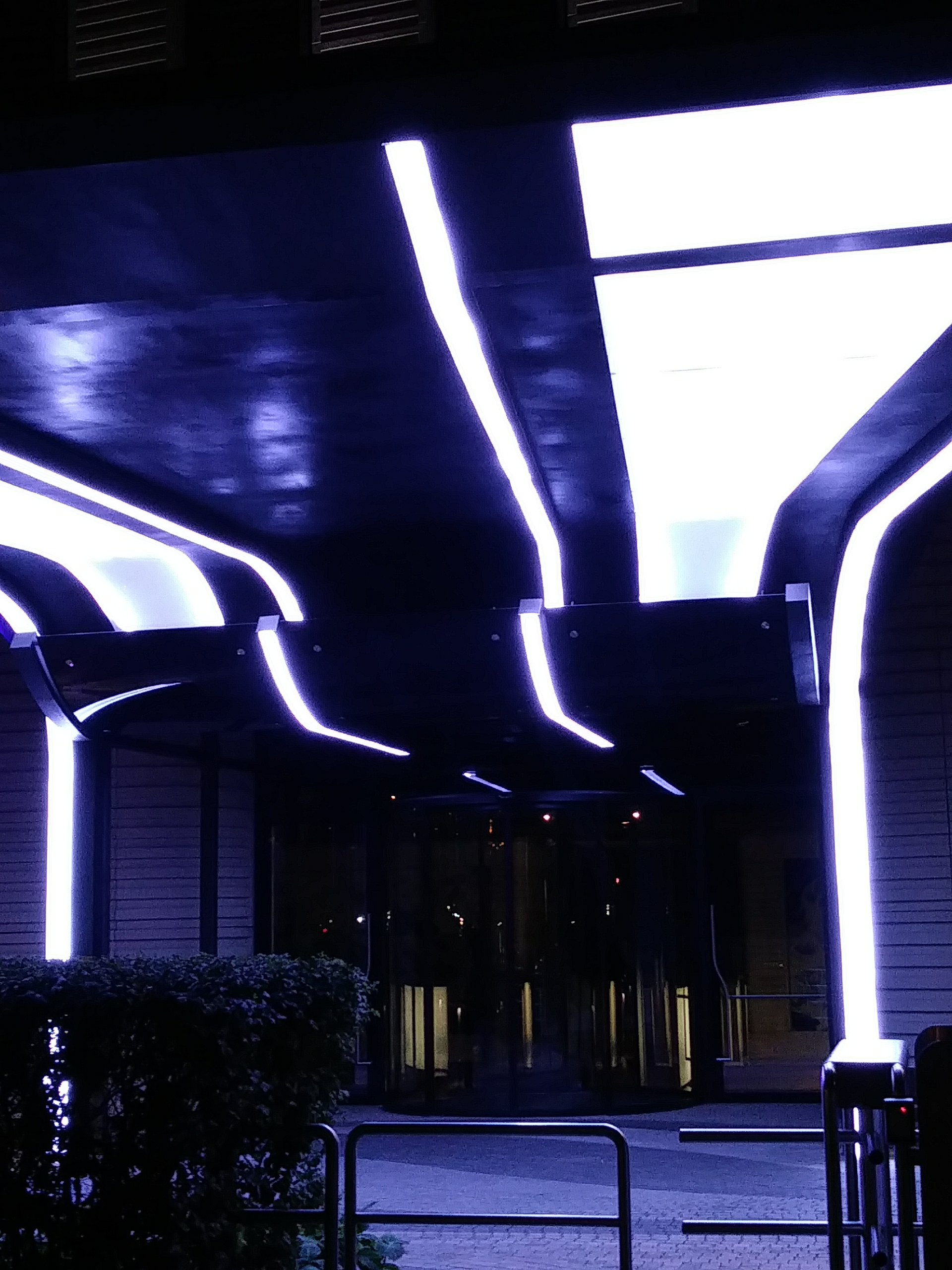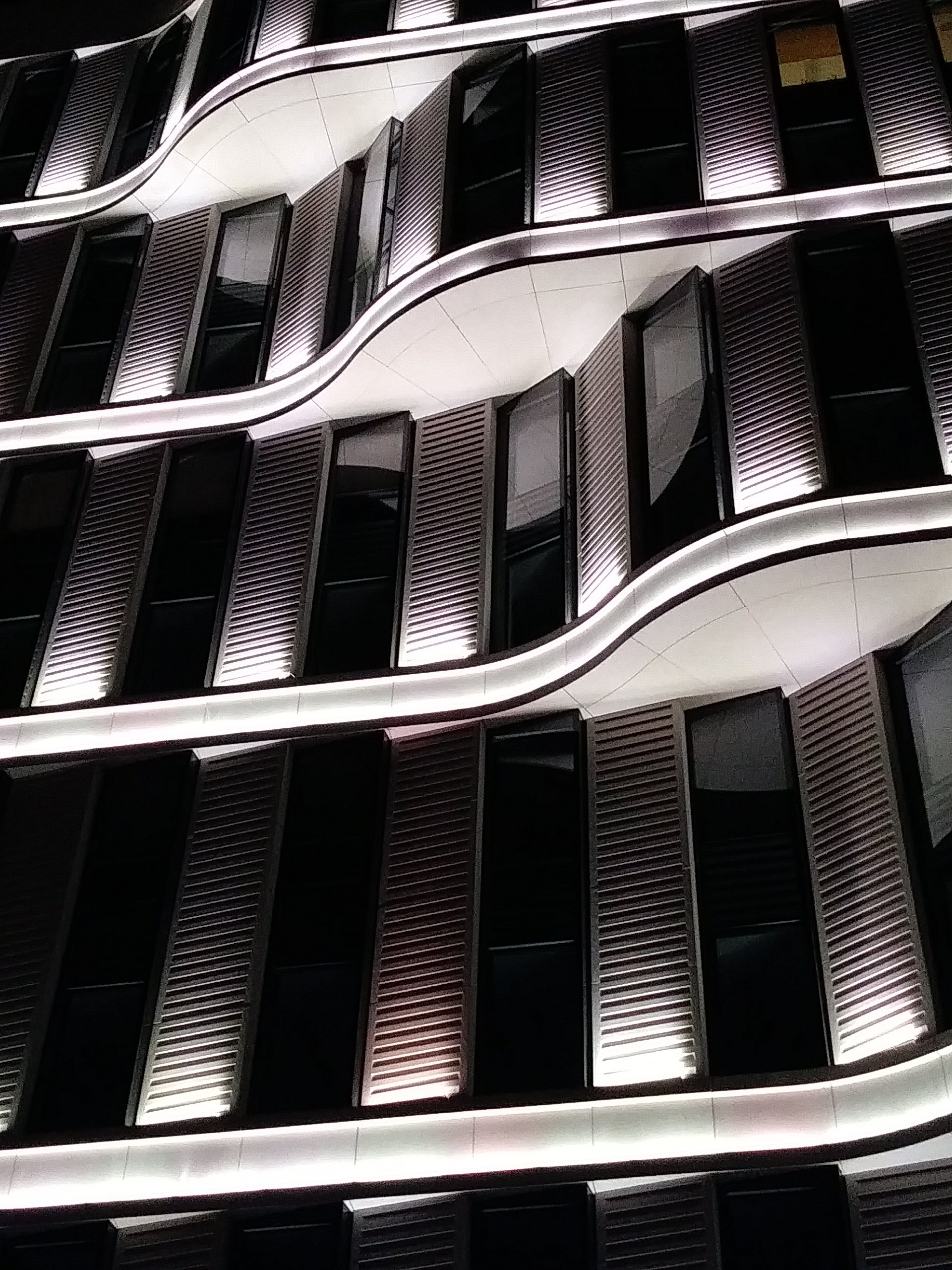
Happy new year, and welcome in 2018. You may start new projects from scratch like they probably will do at this construction site pictured below. Good luck.

Brandenburg, a German state surrounding the countries capital Berlin, scrapped its planned local government reform last week.
In an attempt to modernize the state’s local administration the planned reform centered on a commonly cited but outdated receipt: downsizing of staff size through merger of administrative units. Economies of scale is the economic rational behind this unidimensional approach.
Empirically there is little evidence that size links to administrative performance.
While larger organizations tend to be more innovative than very small entities (it is easier to let 4 or 5 people develop and test some novel practices if you have 400 more for the regular stuff), there is no compelling proof that they perform better.
First, performance has multiple dimensions, cost-efficiency being just one among them. So the back-then state government was seemingly poorly advised when it came up with its reform proposal several years ago.
Second, even if there is a, say, u-shape relationship between size and cost-efficiency, both researchers and practitioners do not know what a sufficient size it.
Size does not matter for well-being of community members! But access to high-speed internet connection and a sound public transport infrastructure do.
The scrapping came as a last minute withdrawal. The reform was long-awaited but also highly contested, though for political reasons rather than for public management reasoning.
Some additional 400 millions will be available over Brandenburgs next two-budget cycle due. This is the main explanation why the incumbent coalition now scrapped a reform that she had been advocating for several years. There is simply no budget pressure to facilitate any substanial efforts to make public management modern.
Reputational scratches is all whats remain from this episode.
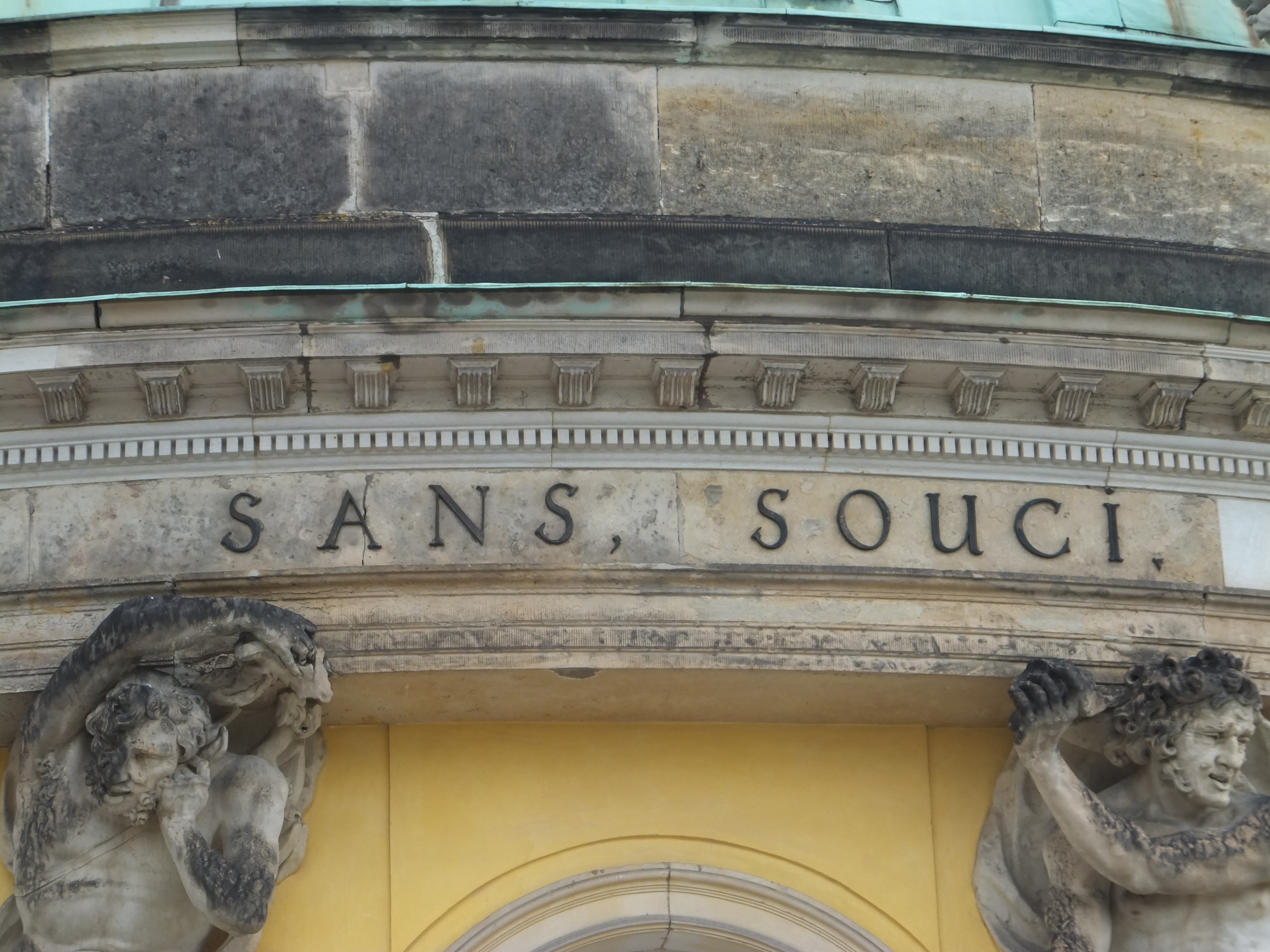
Pictured above: Sanssouci, without concerns; royal palace of former Prussian king Frederick the Great, located in Potsdam, Brandenburg’s capital
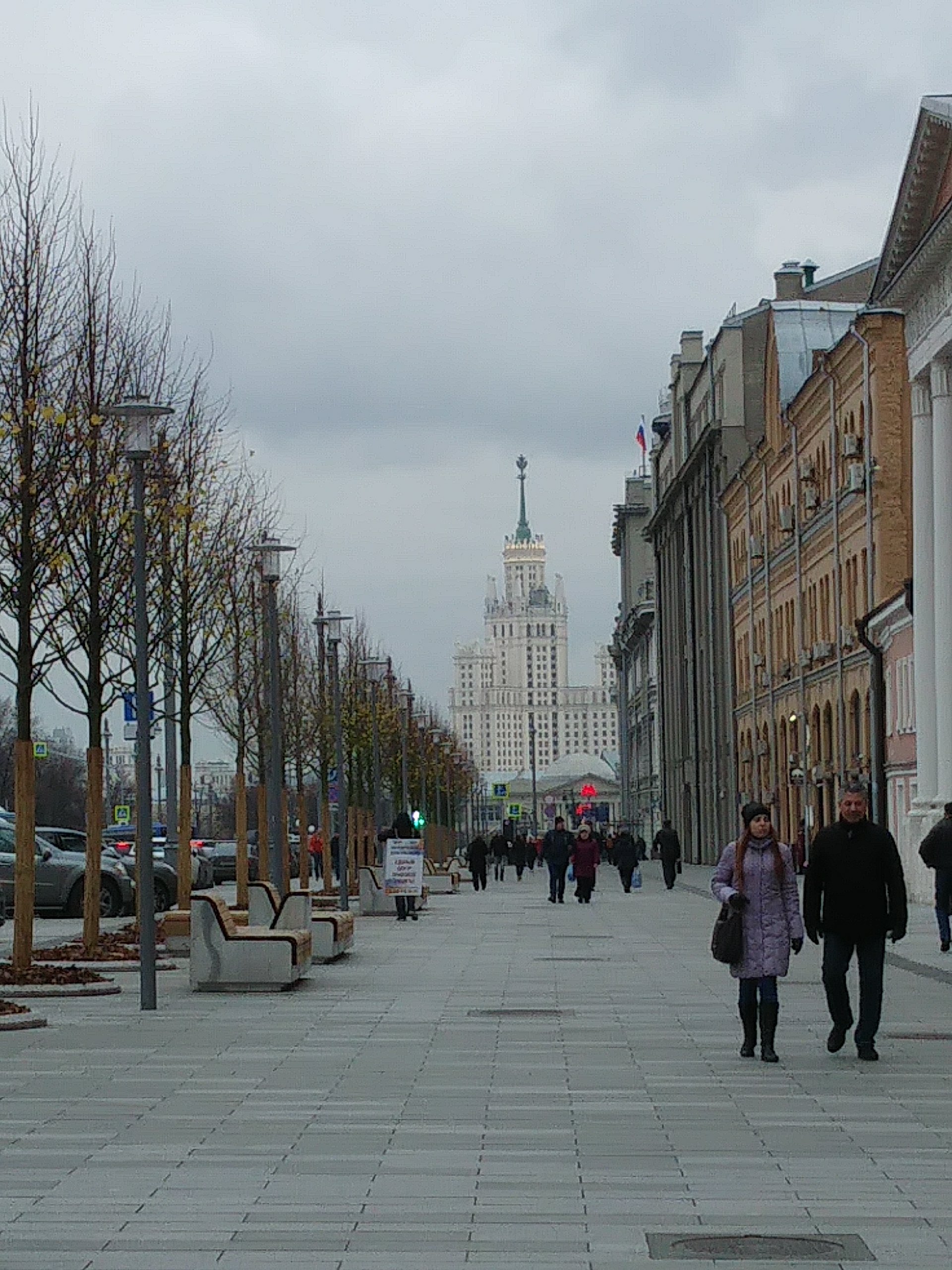
After some felt three years of stop-amd-go renovation the New Square (новая площадь) in Moscows city center shows up with his new fresh face (pictured below). Plenty of new space for pedestrians, including bench to take a rest and a look on another pending renovation side: the technical museum, which is located in the middle of new square. Moscow changes his face a little day by day. And to the better, the good news goes.
Two prime time serials on Russias Channel One are indicative of the countries official Vergangenheitskultur regarding the October revolution which happened exactly 100 years ago.
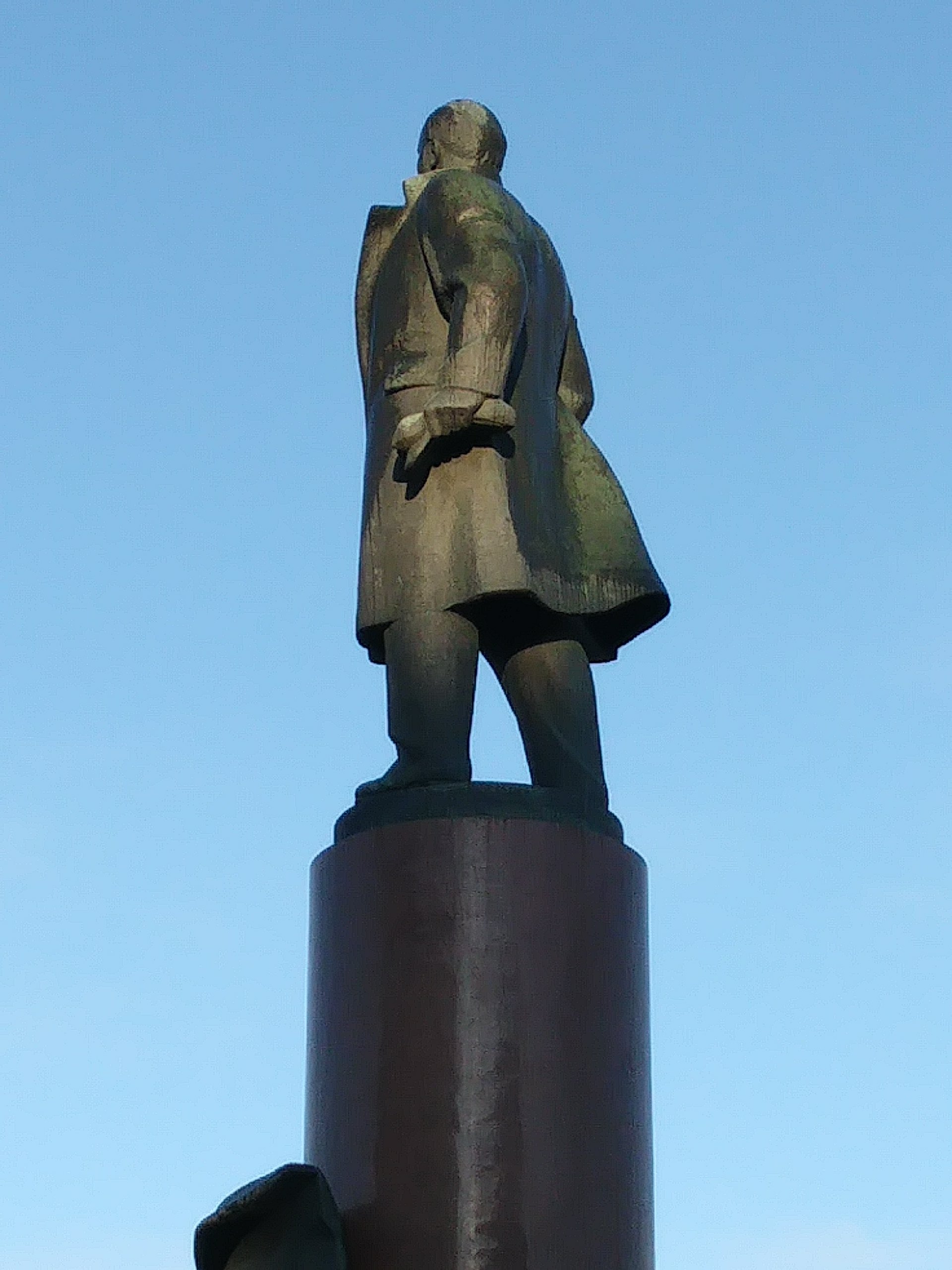
Perception of the back then Red Russian revolution is ambivalent in contemporary Moscow. On the one hand some selected protagonists, such as of course Lenin, are omnipresent: Leninskiy avenue, Lenin library, Lenin Subway, Lenin statues (such as the big one on Kalushska Square, pictured below). But these are mostly leftovers from Soviet times.
On the other hand in official narratives of Russian history the 1917 October revolution is depicted as starting point for unrest, disorder, famine, and plain chaos.
For example, in a recent exhibition commerorating the 1917 Revolution, „Code of the Revolution“, I recognized no link drawn between 1917 and, say, post-war successes in space technology and ceconomic development.
The first serial depicted the life of Trotsky, a Russian revolutionary, who later flew to Mexico. The plot is that Trotsky himself tells his life from a retrospective perspective to an American journalist in his late exile. We see mainly episode from his pre-revolutionary exile in Switzerland and other European countries. Trotsky is depicted as tragic hero, while Lenin is less smart but more successful in terms of influence.

The second film lenght serial depicted the life of Lenin until the point when he and his comrades re-entered Russia after the February revolution. We see his wife, we see the German generals how they agree to let Lenin travel via Germany to Russia in an attempt to end the war with Russia by destabilizing the country. The tragic hero in this serial is an unkown military sergeant who is trying to stop the train before he reached the Russian border.
Having a swimming workout in Moscow’s 1980 Olympic Summer Games pool will yield the wow effect. Since then the pool has been open to the public.
Grab your medical certificate, slippers, swimming cap (you will not forget your googles, and trousers, won’t you), buy a ticket for 450 roubles (peak hours, early birds will catch one for 350) and after mastering getting your locker room’s key you can enjoy a splendid 45 minutes session, either by circulating in the main LCM pool, or by just sitting on the endless visitors‘ benches.
As in almost any public pool in Moscow they have this somewhat weird 45 minutes session system, and in this pool they really stick to it. It proofs difficult to convince electronic turnstiles that they still own you 5 minutes.
Anyways, who cares, just buy two tickets if you intend to finish three kilometres or more.
Given its prominence and central location next to Prospekt Mira Metro station (served both by the red and the inner circle line) the pool is heavily frequented. But its LCM dimension will still offer you sufficient space.
Nice psychological side-effect: at first glance you won’t believe it has 50 meter lanes, which is due to its high ceiling I think.
The pool hosts the annual National Russian championships and Moscow City championships in swimming.
Starting from today this blog has a additional category: Living a healthy lifestyle, or fitness and sport – probably both – in Moscow.
The featured star of this introductory post is a pumkin-pizza with a rosmary-topping.
What suits celebrating a Sunday better than home-made pizza? Exactly! But it does not have to be a quattro formagio or plain Margarita.
This pizza contains home-made dough, a layer of Kaymak, a South-Russian fresh-cheese, pieces of pumkin, and a topping of fresh rosmary (not sliced).
Das ist der zweite Teil meines gestrigen Vortrags zur Wahl des Deutschen Bundestags 2017 an der Higher School of Economics: (Teil 1: siehe unten)

Allgemeine Schlussfolgerungen
1. Wahlumfragen verlieren immer mehr ihre Fähigkeit, Stimmungen und Meinungen in der Bevölkerung unverzerrt abzubilden.
Das hat methodische Gründe.
Und das hat politische Gründe.
Meinungen, die von der Auffassung organisationsmächtiger Gruppen abweichen, werden erstens ignoriert und zweitens bisweilen stigmatisiert.
Beides verzerrt Vorhersagen und führt dazu, dass die Vorhersagen von den tatsächlichen Wahlentscheidungen abweichen.
Zwei konkrete Beispiele sind die Flüchtlingspolitik, und die sog. Ehe für Alle.
Dieses Muster ist nicht neu. Das Muster konnte man bereits bei Brexit-Entscheidung in GB, und den US-Präsidentenwahlen beobachten.
2. Es gilt weiterhin das Gesetz des economic voting.
Warum wählen die Leute dann überhaupt noch die ehem. Regierungsparteien?
Das hat mehrere Gründe.
Einer ist: Weil es ihnen immer noch relativ gut geht.
Die Theorie des economic voting besagt, dass Wähler die Parteien belohnen, die in einer Zeit des wirtschaftlichen Aufschwungs an der Macht waren.
Wähler geben den Parteien ihre Stimmen, denen sie die größte wirtschaftspolitische Kompetenz zuschreiben.
Die makroökonomischen Kennzahlen für Deutschland sind sehr gut. Ein hoher Handelsbilanzüberschuss, die Zahl der Erwerbstätigen steigt, die Steuereinnahmen steigen.
Davon profitieren zwar nur einige wenige.
Die Zahl von Zeitverträgen und working-poor steigt ebenfalls. In der öffentlichen Wahrnehmung bleibt das aber nicht so hängen, wie historisch niedrige Inflationsraten, Arbeitslosenquoten und eine schwarze Null im Bundeshaushalt.
Diskussion:
Was bedeuten die Ergebnisse für das Verhältnis Deutschland-Russland?
Realistische Einschätzungen und Vorstellungen über eine künftige deutsch-russische Zusammenarbeit und damit Druck für eine Aufhebung der Sanktionen gegen Russland kommen z. Z. nur aus der Wirtschaft selbst.
Die unrealistische Fehleinschätzung bestand darin, dass ein mögliches neues Freihandelsabkommen mit den USA den Ausfall im Russlandgeschäft kompensieren wird. Das ist nicht der Fall.
Firmen wie BASF (Wintershall, North-Stream II), aus dem Maschinenbau, oder Dienstleister wie Bilfinger verstehen, dass China in der Zwischenzeit seine Position in Russland ausbaut und zwar mengenmäßig, und auch was die Qualität angeht
You cannot copy content of this page